The ProRodeo season sees every kind of situational change you can think of, all in a short time. In the same day, you could be at a morning slack in an outdoor arena with the wind blowing in your face and the start is point of the shoulder. Hours later, you are at a performance in an air-conditioned building rodeo where a 1.8-second run is winning the round. There is no choice but to be prepared for every scenario, especially with your ropes.
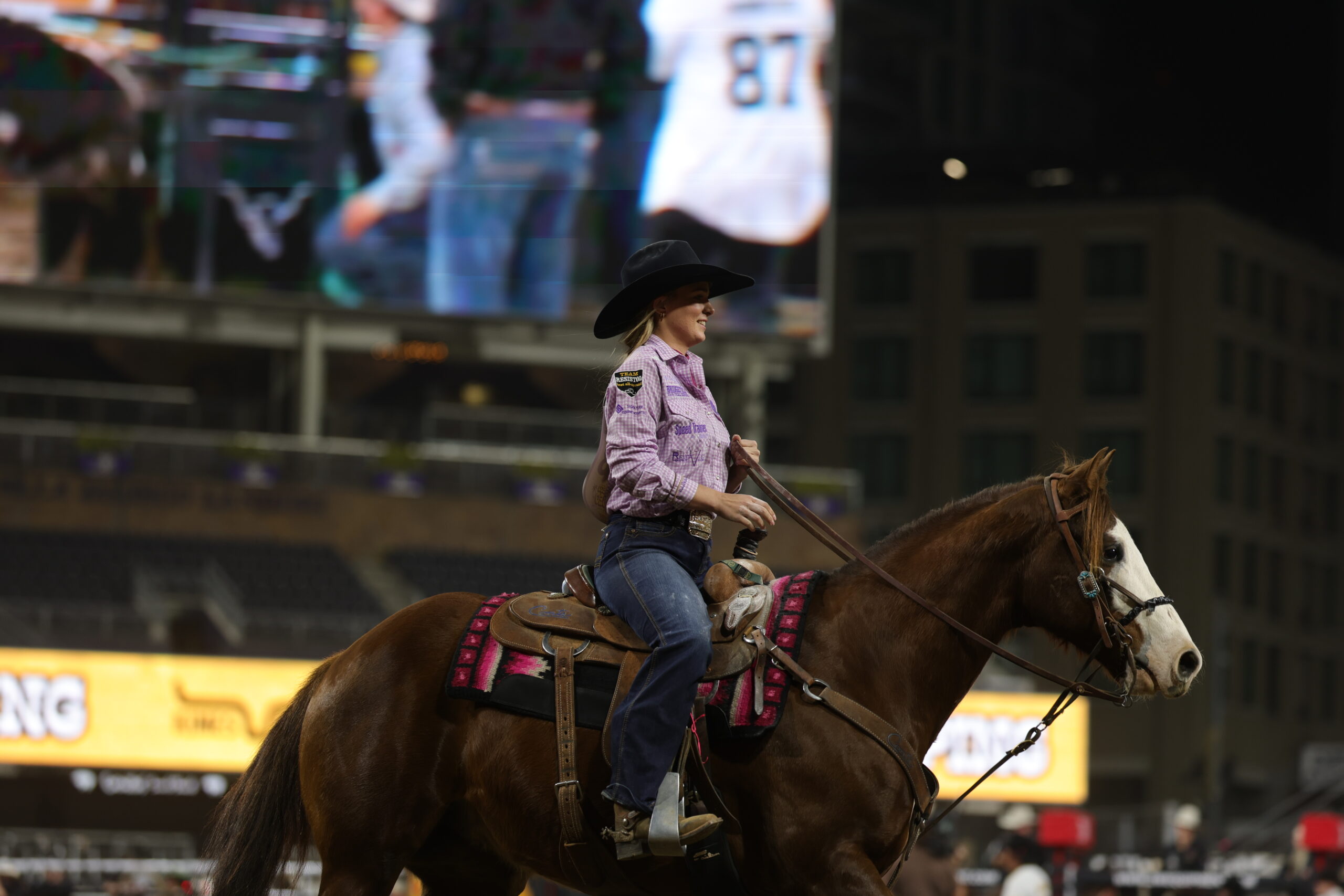
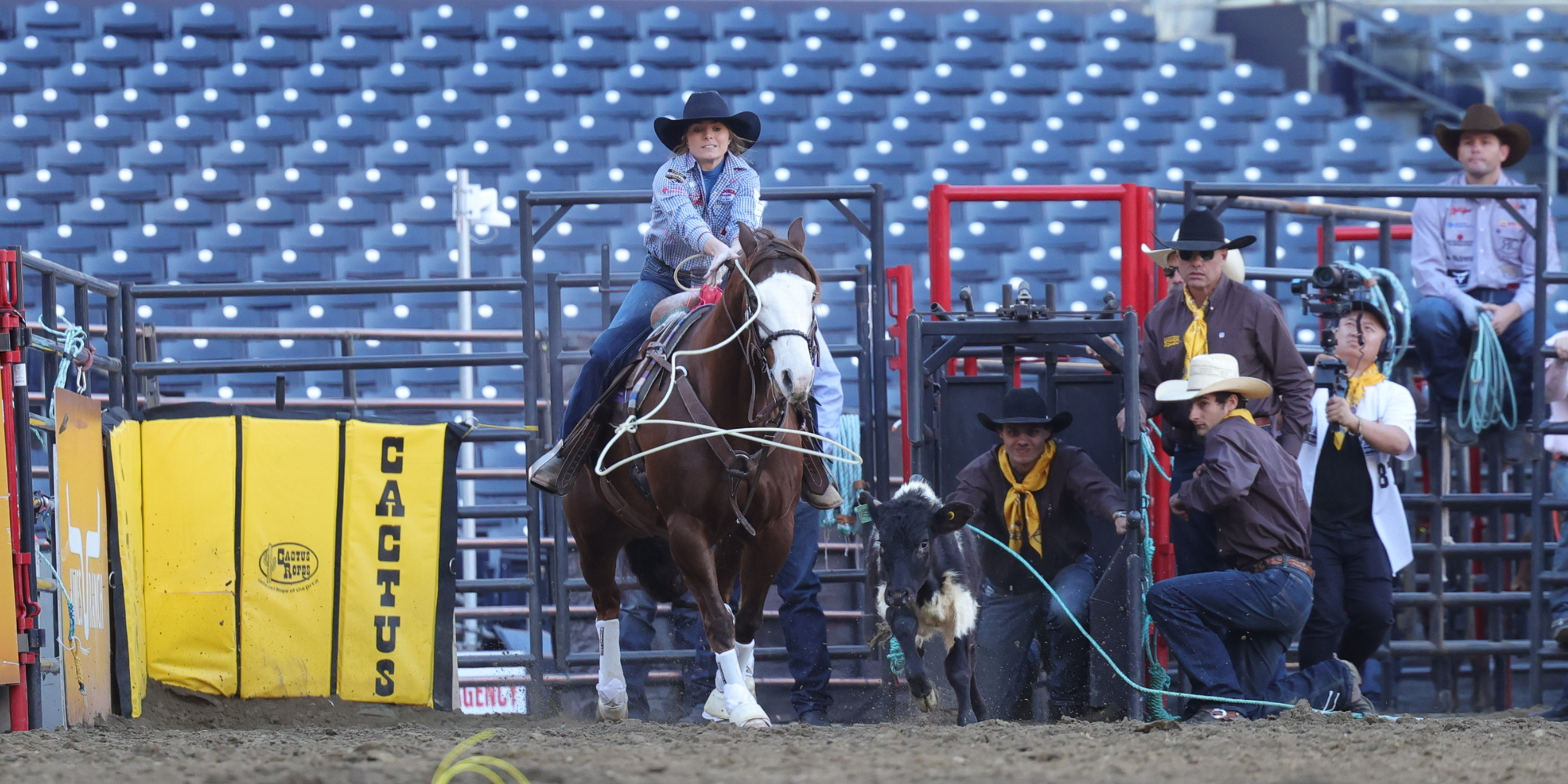
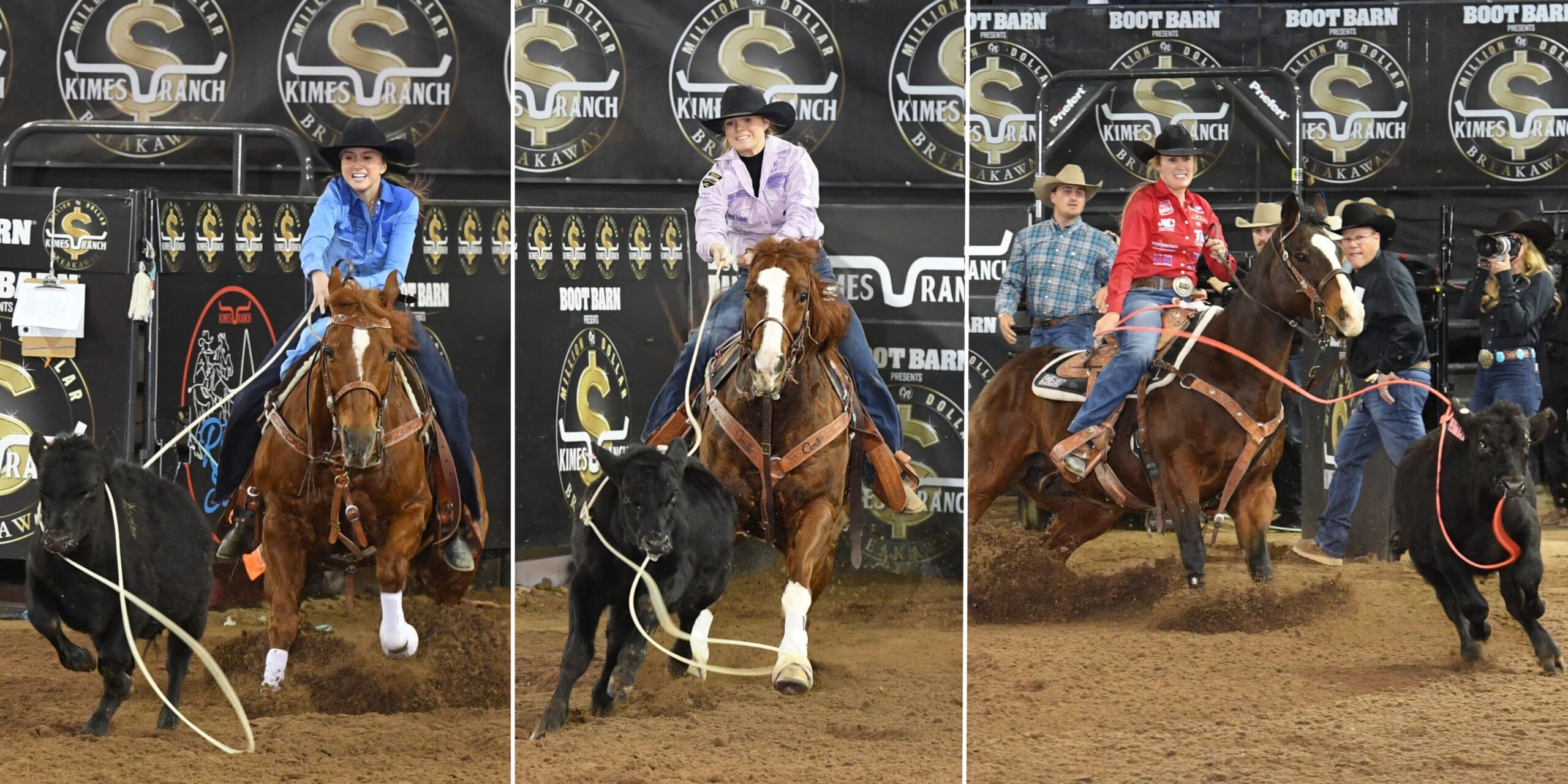
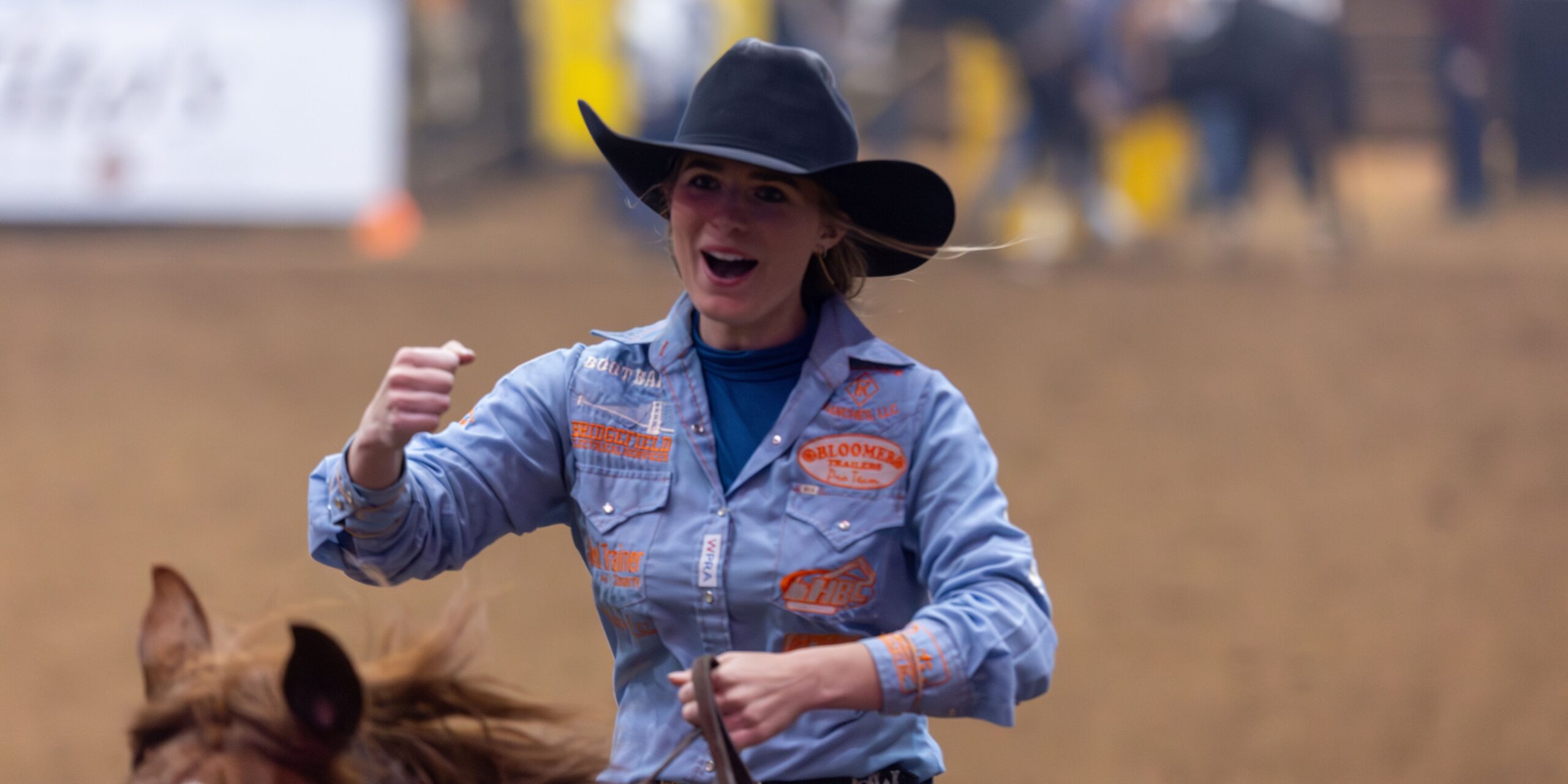
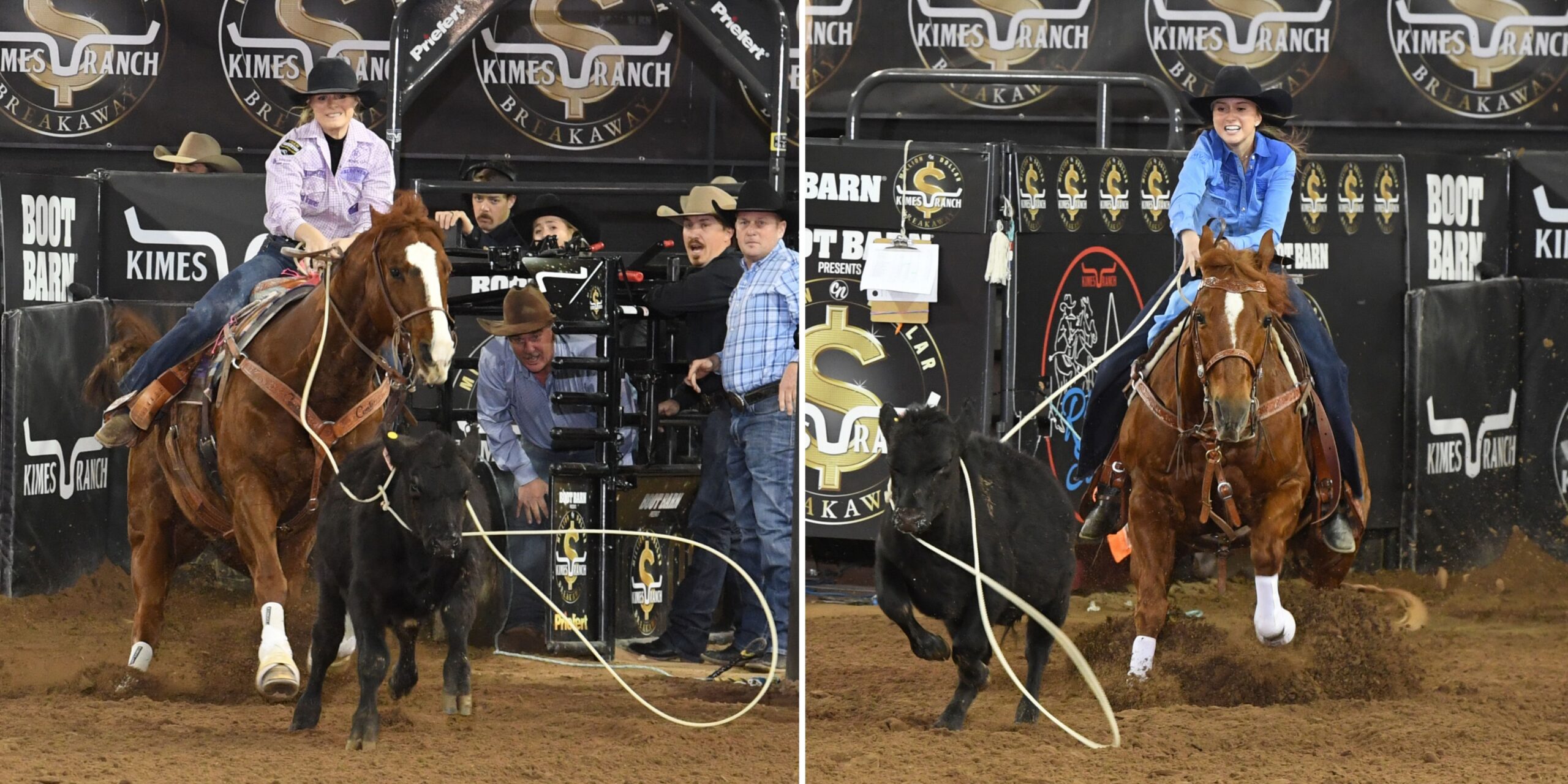
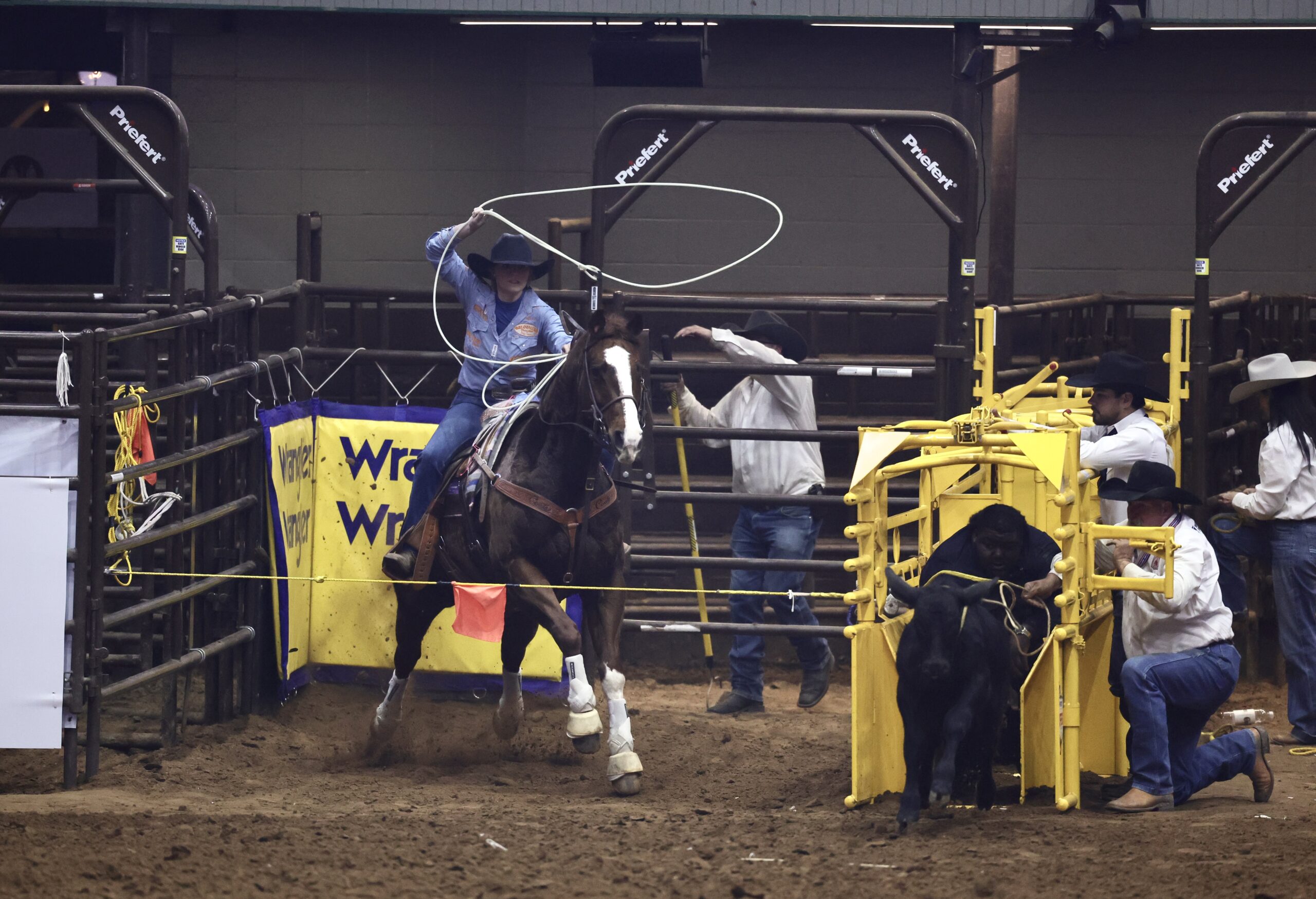
Hali Williams, three-time NFBR qualifier who has used Top Hand Ropes for years, likes to keep her rig loaded with ropes that fit every situation and has a strategy for when to make a choice on which to tie to the saddle horn when the chips are down.
We broke it down with Williams:
Q: What rope is your go-to rope in the wintertime?
A: “My go-to right now is the Top Hand Pearl Snap. It’s been feeling amazing in the winter. We’ve been putting a little more poly in it and tying it straight. Especially when we go to the dry climates coming from Texas, it’s just easier. I also use the Top Hand Halo in the winter—it handles the buildings with no wind.”
Q: What about in the summertime?
A: “In the summers, I like using the Top Hand Crown and the Pearl Snap. It depends because I alternate depending on what horse I’m riding.”
Q: Tell me more about that. How does your choice in ropes and horses correlate?
A: “I like having a more dead rope on Blaze (Ru More Has It) since I reach further on him. Versus on Red Light (Stylish Red Light), I will get closer a majority of the time, so I need a rope that’s got a little more spice to it. I like to have the Top Hand Crown on Red Light, and the Pearl Snap is what I really love using on Blaze. Also, the rope I use on Blaze is always going to be a little longer than the one I use on Red Light. But it also depends on the setup.”
Q: Just how much of a factor does the arena setup, and whether it’s a jackpot or rodeo, impact your decision?
A: “If I’m jackpotting, I want a rope that I can have a little more loaded, so you can have it a little more twisted. Versus if you are trying to rodeo, you want it dead where it doesn’t open up. If you’ve got one that super loaded and you reach on it and that calf checks up or anything, that rope will just open up and you don’t want that. You want the more dead ropes when you’re reaching and more loaded ropes when you are jackpotting. Also, if I’m jackpotting, I will have my ropes shorter, and if I’m rodeoing, they’ll be longer. But it always depends—that’s why you always see me cutting ropes when we’re at a facility.”
Q: Are there any other factors to your rope length besides horse and jackpot or rodeo?
A: “When I get somewhere, I want to see the box, how it’s set up, what the calves are—are they big or are they small? Because all that affects how long I should cut my rope.”
Q: Have you always used Top Hand Ropes?
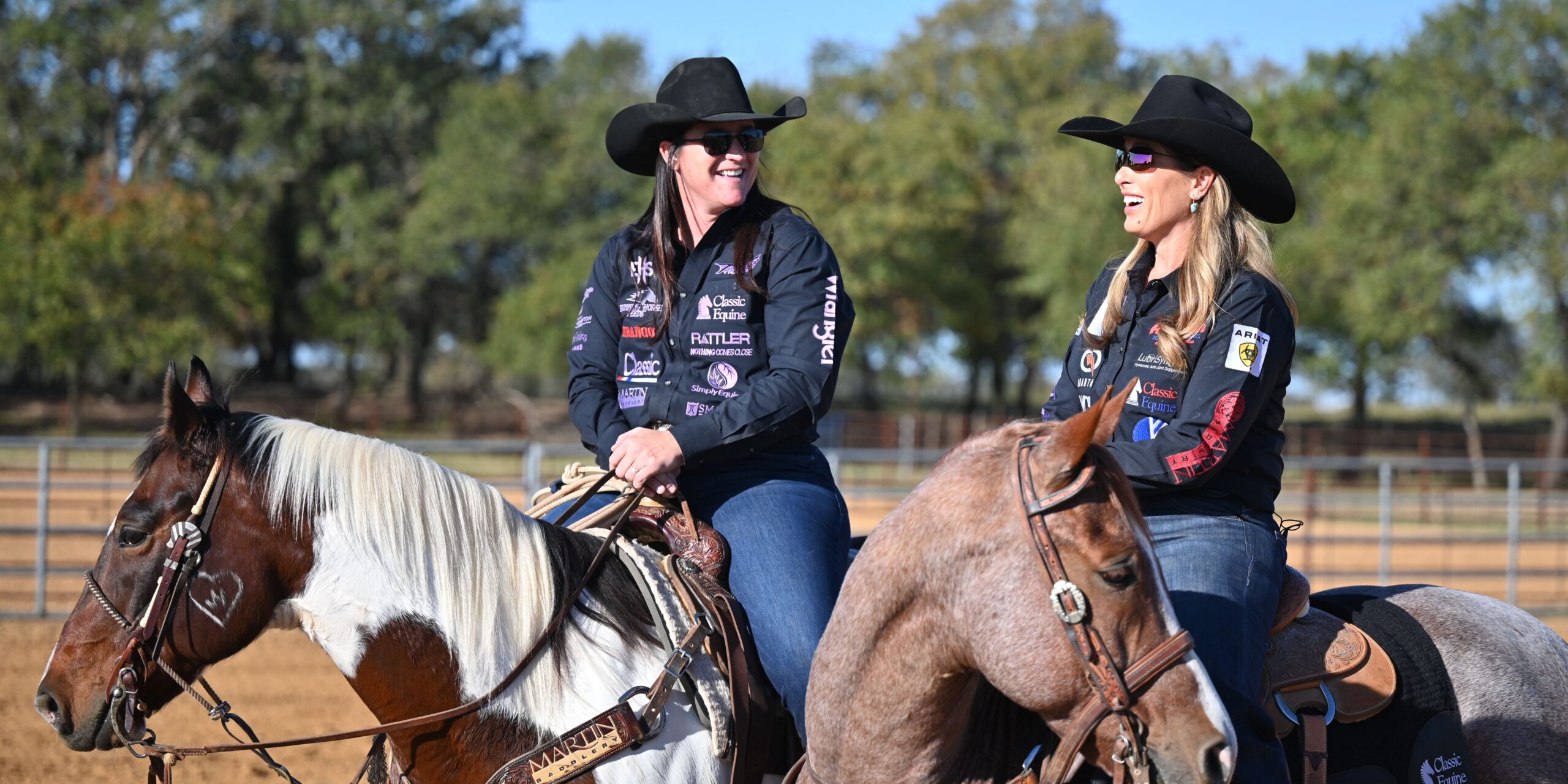
A: “Yes. My dad (eight-time world champion header Speed Williams) has been with Curt Mathews (founder of Top Hand Ropes) for his whole career. Curt started Classic Ropes and then Fast Back Ropes, and then to Top Hand—we’ve followed him pretty much wherever he went.”
Q: If that’s the case, have you had a role in the development of the ropes you use?
A: “I’ve talked to Curt a lot, especially in the last two years. I feel like in the beginning, I had a certain feel that I liked when I roped, but I wasn’t that picky—my dad just handed me a rope and that’s pretty much how it went. But doing it professionally, you have to know what type of ropes you need for each situation. In the last few years, I’ve gotten more involved, like telling Curt, we need a rope like this. Some of the ropes that I use are not user friendly for certain setups, but I also think we have it to where if you want to grab a rope, you know it’s going to feel good no matter what. I think the Pearl Snap is that kind of rope.”
Q: Do you think growing up heading steers and swinging head ropes plays into how you prefer a rope to feel?
A: “I think it for sure impacted me in the beginning. I don’t think it does necessarily anymore because my ropes don’t feel like head ropes anymore, but they don’t feel like calf ropes either.”
Q: Have those preferences changed over the years?
A: “When I first started breakaway, I tried every single rope Top Hand had. We didn’t have one specific breakaway rope yet. They had the Drover, but it was too heavy. So, it’s been a learning curve, having to figure out what ropes fit my style and my horses. I feel like I’ve grown up on Red Light, so he has warped my way of thinking on what ropes should feel like or how I have them cut. With Blaze coming along, I’m having to evaluate, like, OK, Blaze is a different style—it’s not a one size fits all.”
Q: Was there a certain rodeo where something happened that made you think, I need to be more prepared and have more options?
A: “Vernal, Utah. It hurt me the first two years because I always had my team ropes that were super light, and then I’d go to Vernal and the wind’s blowing in your face—I didn’t even touch a calf one year because my rope just came right back at me. And I’m like, OK, I’ve got to get this figured out. I need to have ropes in my trailer at all times, and if it’s windy, I just go grab them and they’re consistent. I’ve got a whole box in my trailer just for windy days.”
Q: Logistically, what does having a rope for every scenario look like?
A: “It’s hard. It means more money, more time out there swinging a rope, roping the dummy. It means you’re out there cutting different ropes. You have two different rope bags for each horse, and then for rodeos and jackpots. It’s a lot more work if you look at it logistically, instead of just being like, I’ll make do.”
Q: In your opinion, why do you think being particular when it comes to your ropes is so crucial?
A: “You have to have the rope working with you. I feel like, especially for me, I’ve been battling injuries and sicknesses the last two years, so it’s having to make sure you’re not fighting against odds that you could help. I think you just have to pick and choose your battles.”