Breakaway Roping Loop Mechanics

Mastering the mechanics of the breakaway loop takes practice and repetition as well as an understanding of the fundamentals.

Breakaway Roping Loop
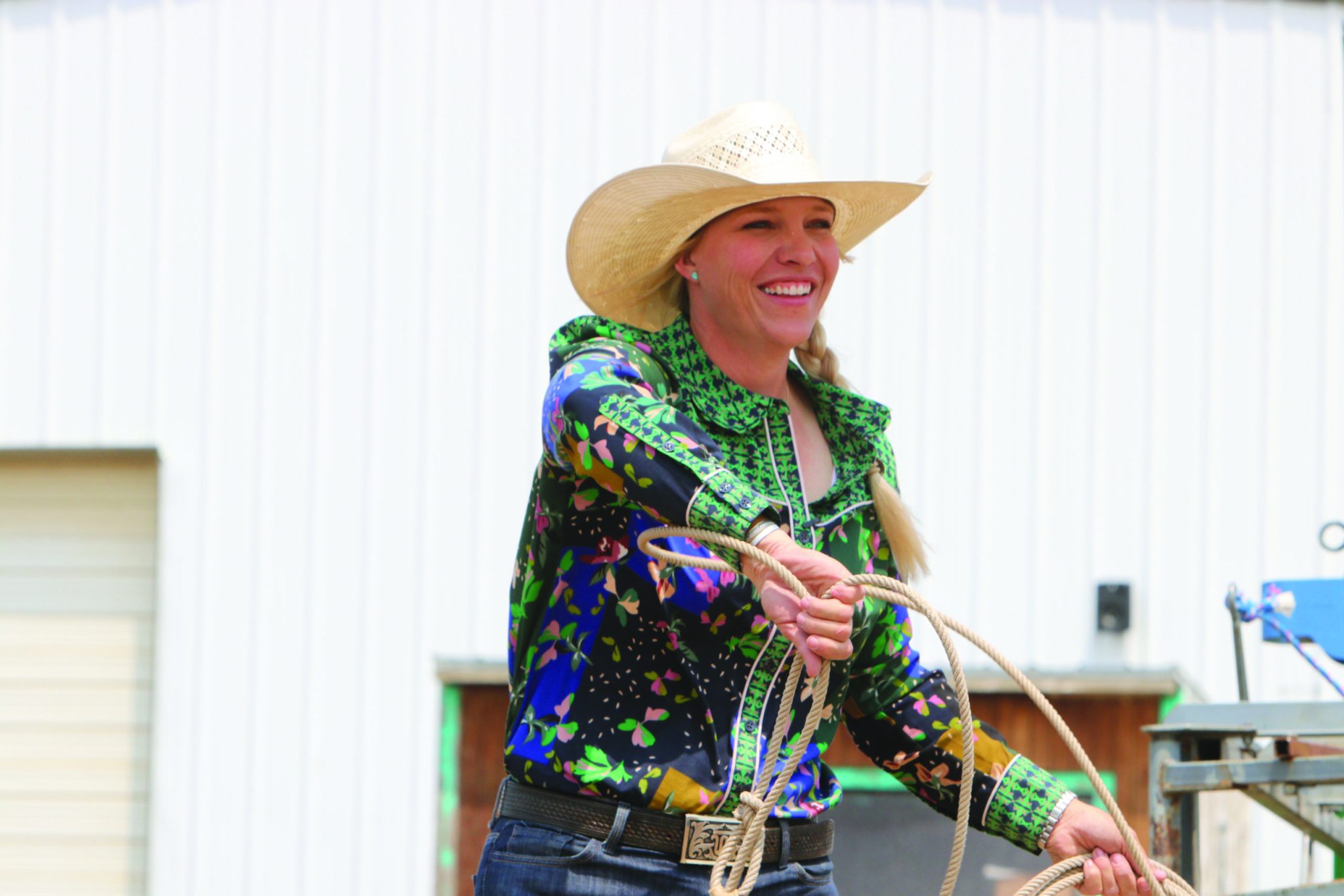
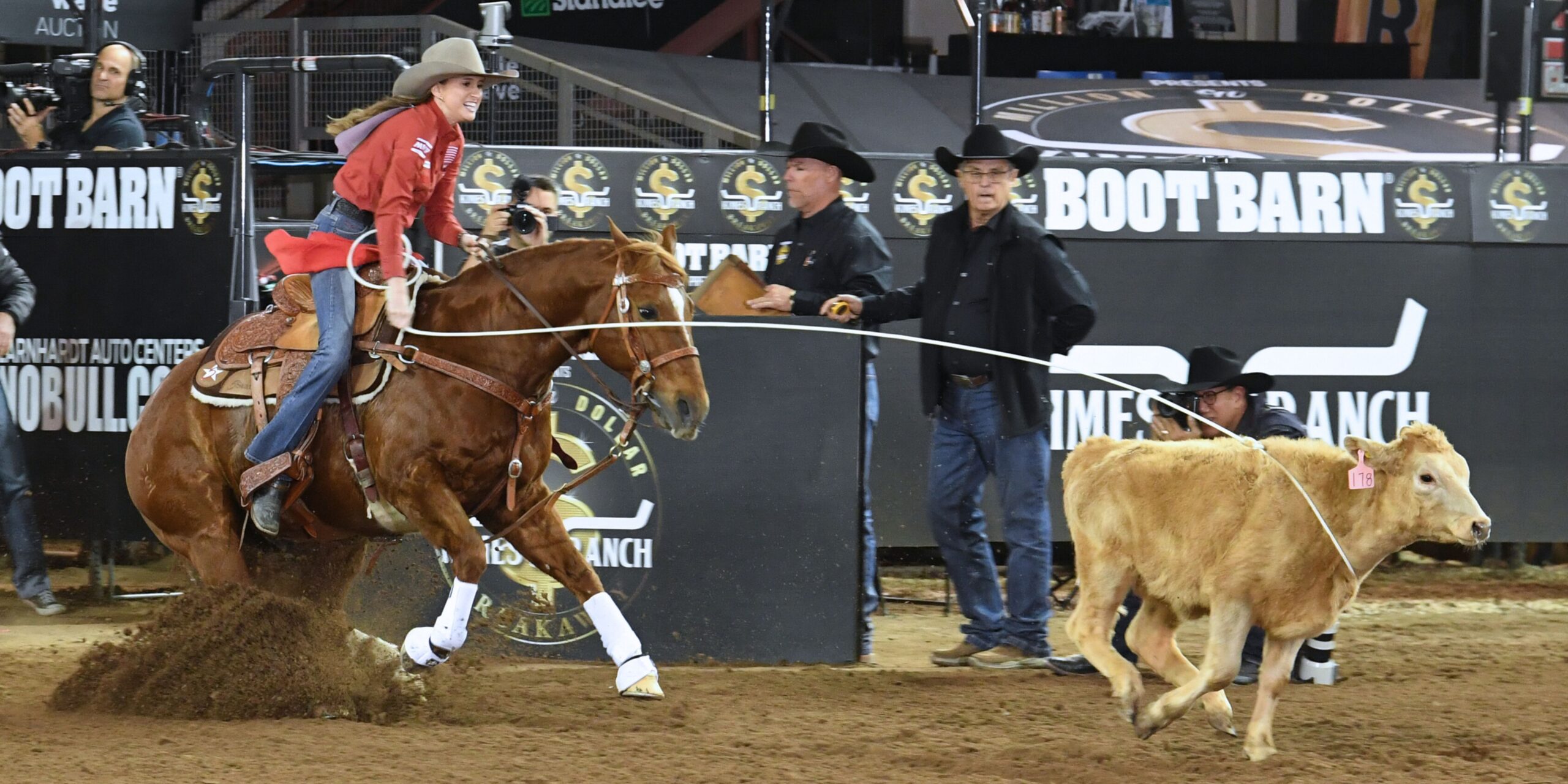
Kaitlin Gustave Photo
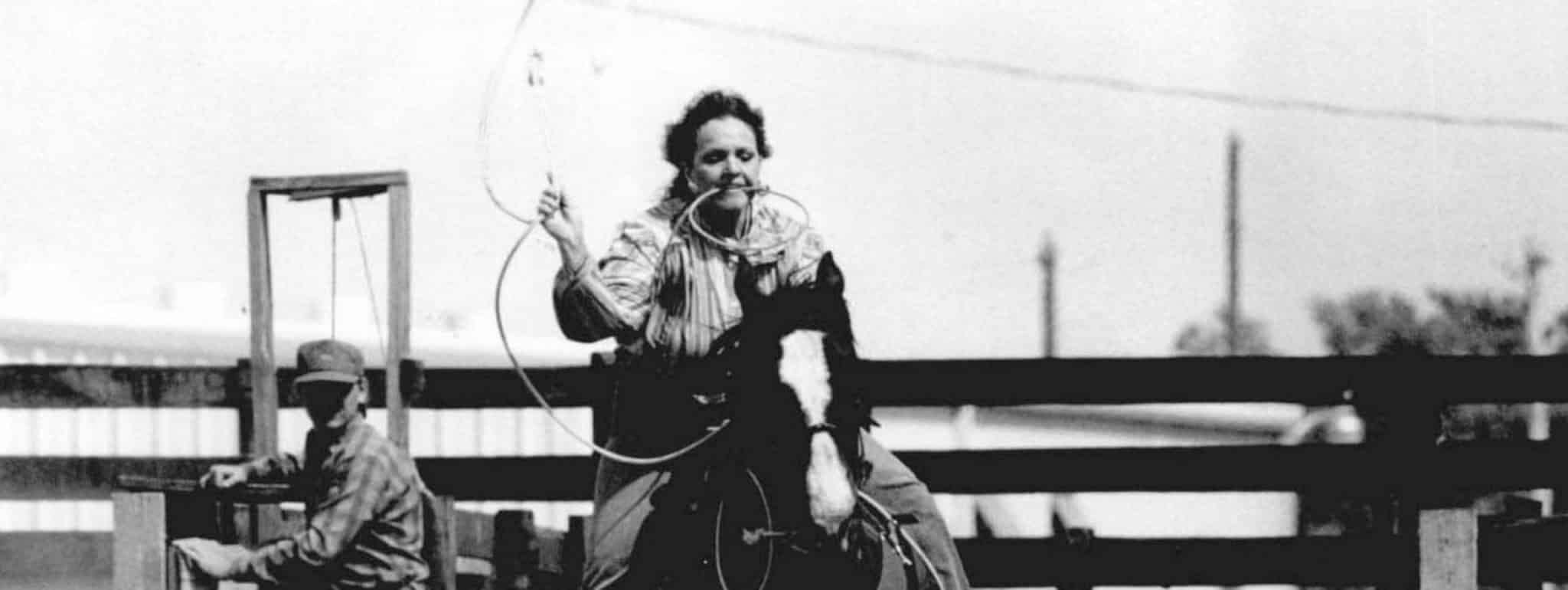
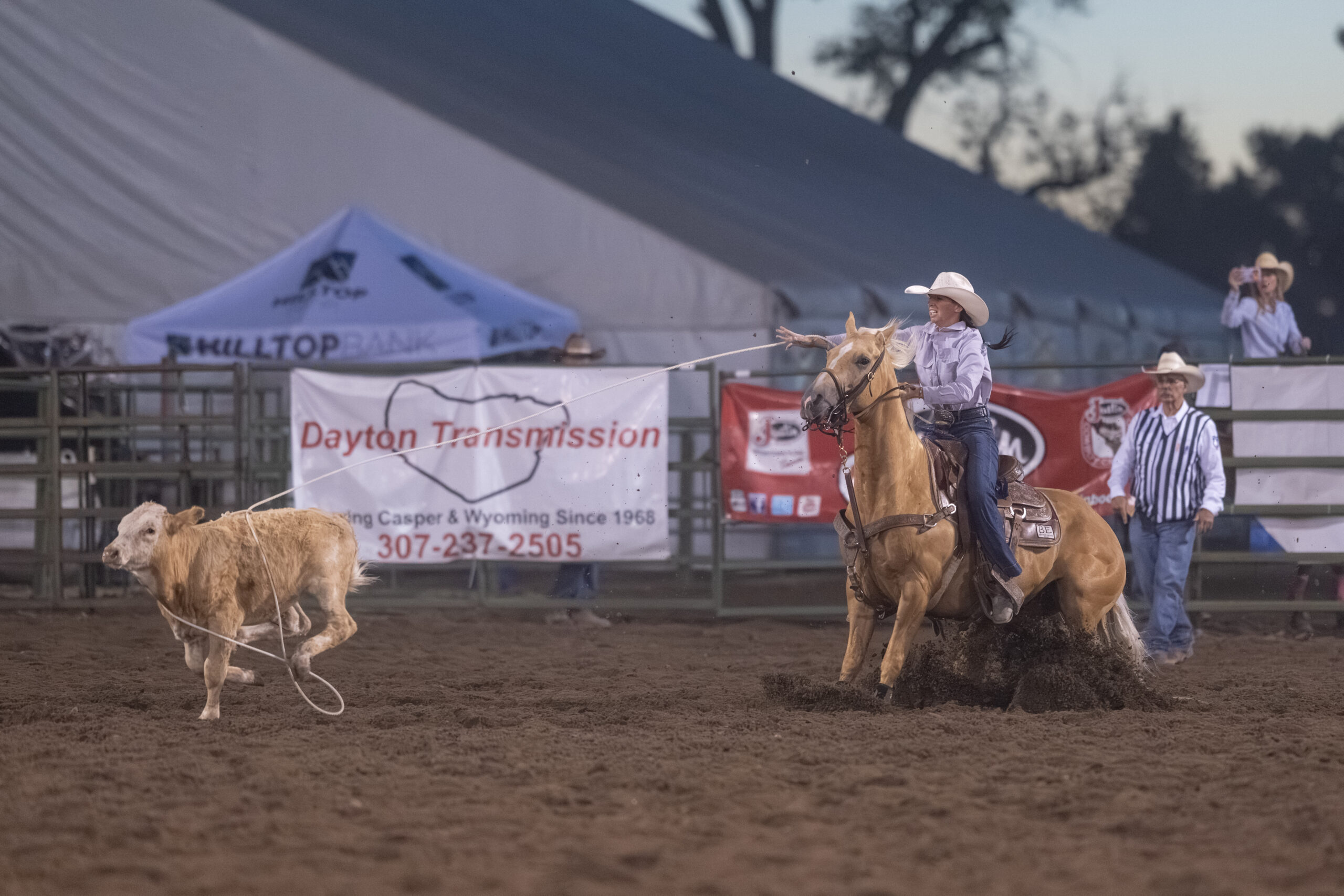
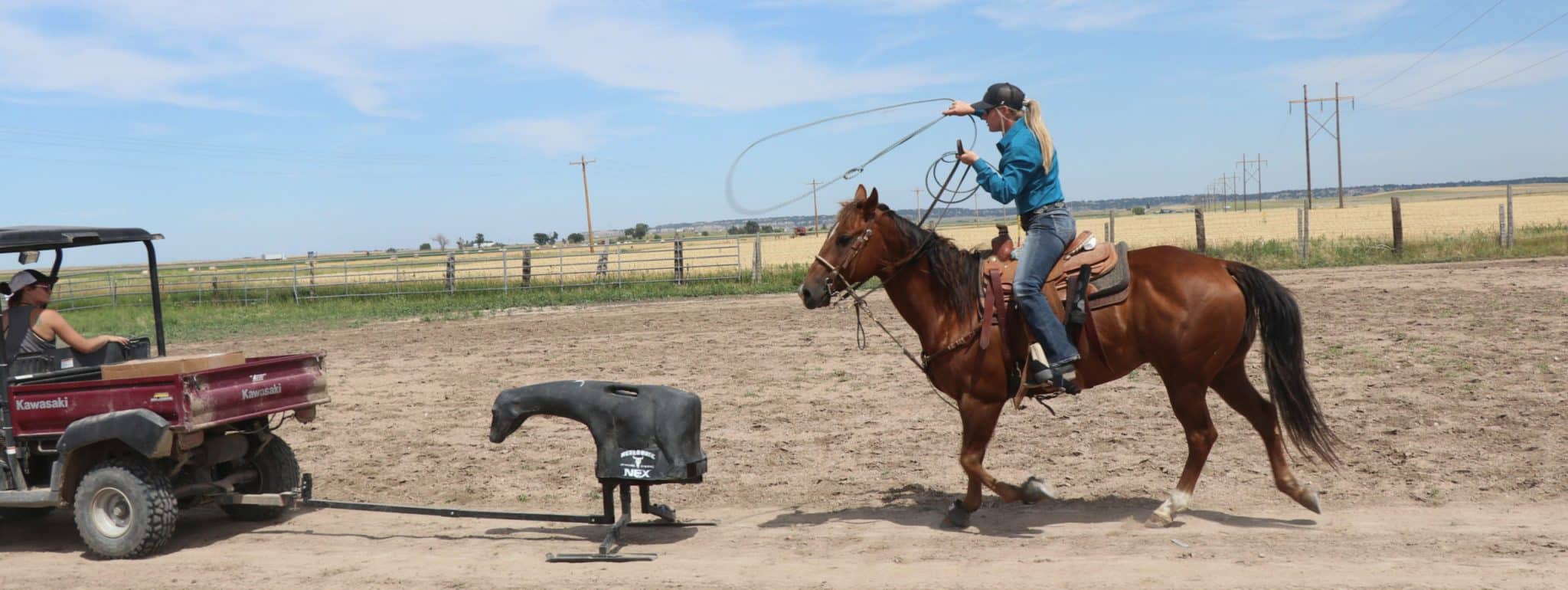
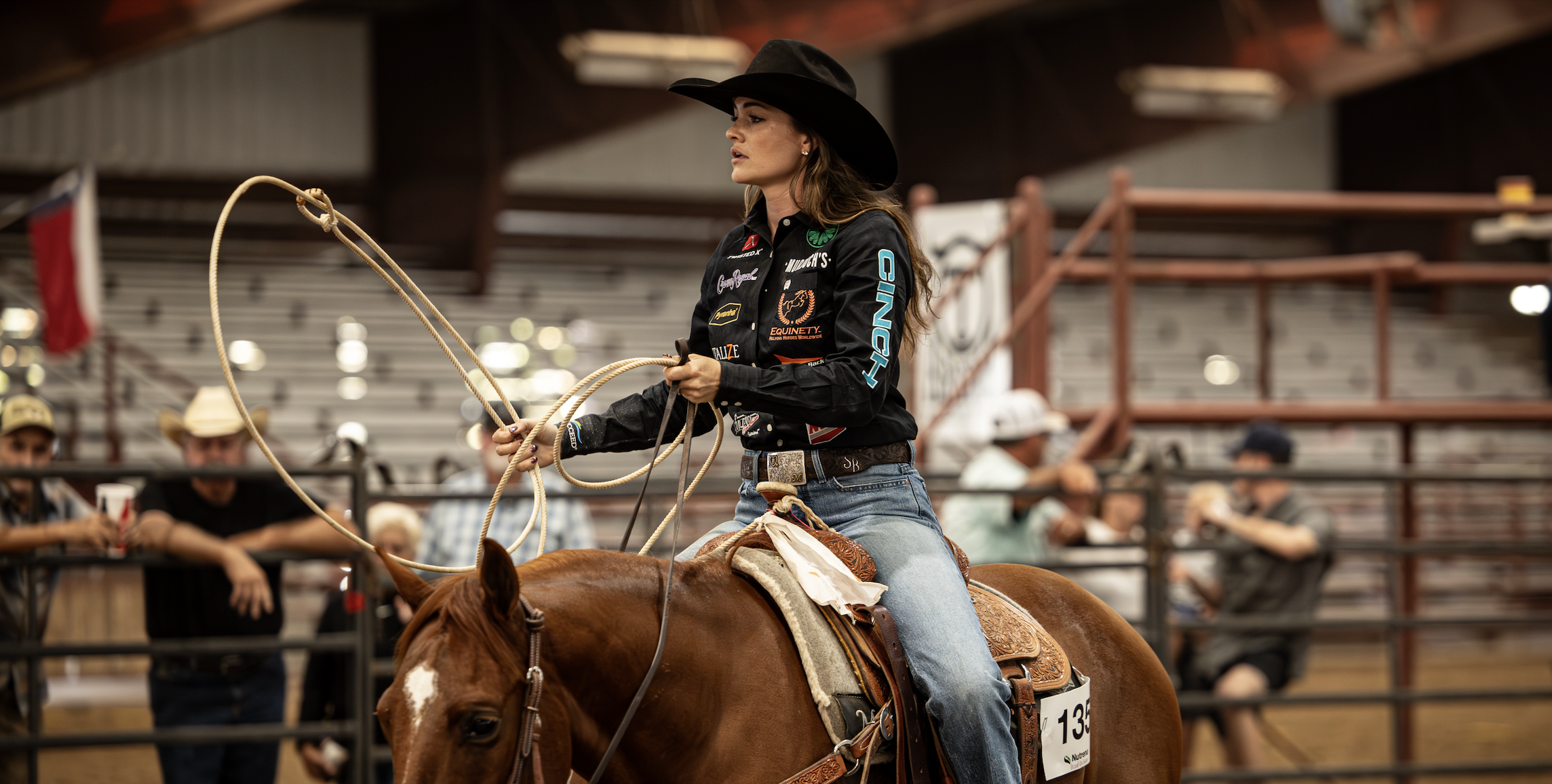
Loop mechanics in breakaway roping are built over years of consistent, quality practice roping live calves and the dummy. Loop size, tip angle, arm and wrist position, and most importantly, momentum, all affect your ability to catch every time you nod your head. Here are some fundamental elements to perfecting your swing:

Loop size: Loop size depends on whether or not you feed your rope, so size can vary. But, as a rule, I teach that you should stand on the tip of your rope and stretch it up to your head or a little above it. That will generally give you the size of loop you need.


Tip angle: The tip of the rope is what catches, so you’ve got to be sure you’re aiming your tip at the calf’s head, downward.

Arm and wrist position: To get your tip aiming downward, your arm must be in an ?L’ position straight out from your shoulder, with your forearm and hand directly above your elbow. If your hand is below your elbow, you can’t get enough momentum on your tip going downward.

Momentum: Momentum is crucial, because it’s what actually puts your rope on the calf (or the steer in team roping, too). Too often, people focus on ?throwing’ their rope rather than swinging it. If you are concerned with throwing, you swing and then change your swing to throw it, losing momentum and preventing your rope from wrapping around the calf. Rather, you should be swinging your rope and releasing it in the direction of the calf, keeping up your momentum the whole way through your release.

Imagine the feeling of swinging a rope with a heavy ball on the end of it. When that ball hits the end of the rope as it circles your head, that’s the same kind of momentum you need to feel with the tip of your rope. Your tip should feel like a heavy ball. You grab the power in your swing as the rope pulls all the way around your head.

Kids should be handling their ropes a lot, and I love seeing young ropers building their loops and roping the dummy. But quality practice is crucial. It isn’t always enough to be casually roping the dummy and swinging your rope. You need to be working at proper mechanics the whole time: feeding your rope, learning to hold your arm in position and turning your rope over with your wrist, angling your tip and building momentum. BRJ
CATEGORIES
TAGS
RELATED
5 Elements Of Success In Breakaway Roping With Linsay Sumpter
FOR THE MOVERS
Linsay Rosser Sumpter, the Commissioner Who Built Women's Rodeo a Bigger Table, Will Receive the 2026 Tad Lucas Memorial Award
Kamie Jo Crouse pulling her slack after roping her calf at the Casper, Wyoming PRCA rodeo in 2026.
WHAT IT ALL MEANS
Breakaway Roping 101: What's a Permit, a Card, Slack and a Performance?
Rylee George in the box at the 2025 NFBR with fellow competitor Beau Peterson helping her.
WIVES TALE
Fifth in the World After Cheyenne: The $102k Number to Beat
hope thompson
Chattin' with Hope T
The Breakaway Breakdown: Hope Thompson Talks Rodeo, Futurity Horses and Building a Training Program
justin maass jimmie smith kayla graham
Next Level Stuff
Roping.com Launches New Breakaway Roping Series with Justin Maass, Jimmie Smith, and Kayla Graham
2025 nfbr autograph signing
HERE'S THE TEA
'Where the Money Is': Top Breakaway Ropers Embrace Finals Move to Fort Worth—and Sharpen the Push for Equal Pay 
GET UPDATES

"*" indicates required fields

This field is for validation purposes and should be left unchanged.
Name*
Country*

Additional Offers

Additional Offers
The Breakaway Roping Journal
Privacy Overview

This website uses cookies so that we can provide you with the best user experience possible. Cookie information is stored in your browser and performs functions such as recognising you when you return to our website and helping our team to understand which sections of the website you find most interesting and useful.